




Zero-Carbon Park
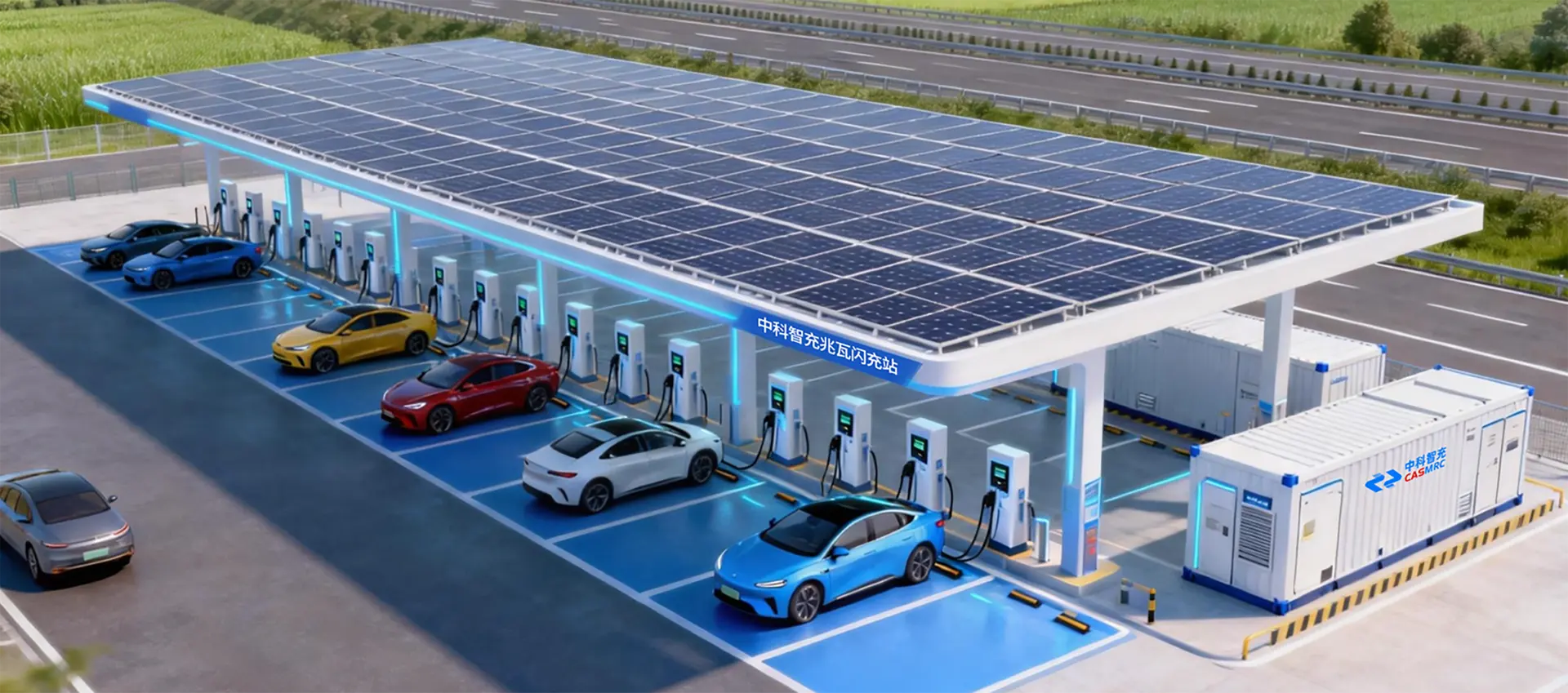
Zhongke Zhichong provides a full-lifecycle zero-carbon pathway from planning and design to continuous optimization, helping parks achieve clean energy use and low-carbon operations, creating a future benchmark that balances economic benefits with environmental responsibility.

Energy Carbon Reduction
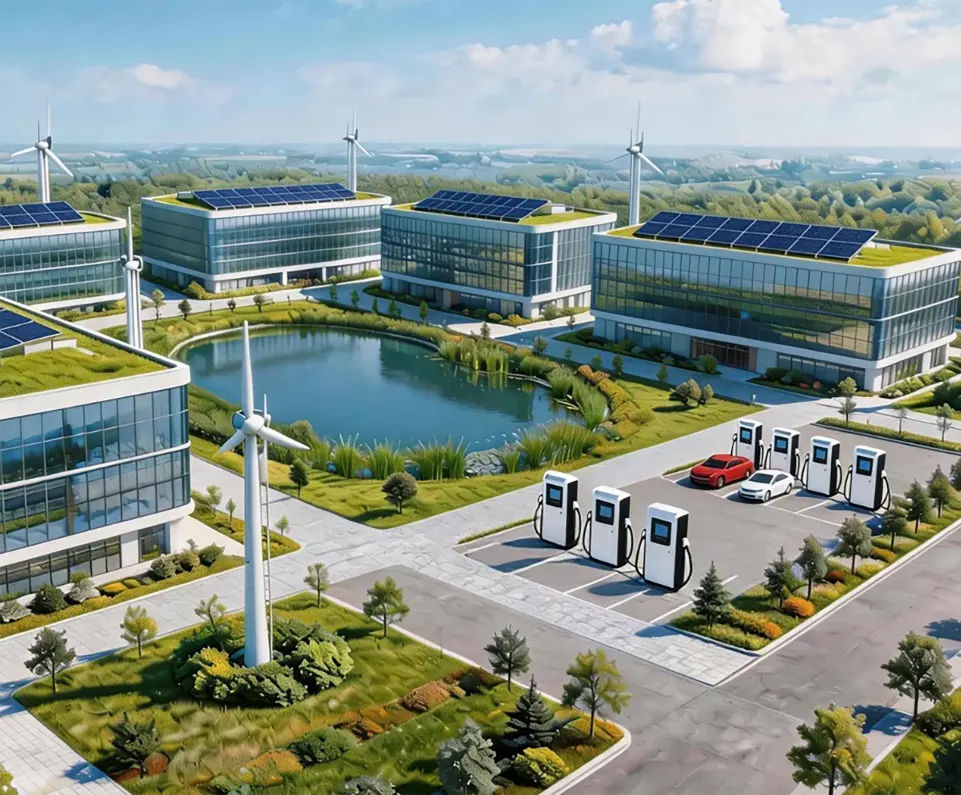
By building a clean energy supply system primarily based on renewable energy sources such as wind, solar, and hydrogen, achieving zero-carbon replacement of energy use at the source

Load Carbon Reduction
Through building energy-saving renovations, production process optimization, and electrification upgrades, significantly reduce end-use energy consumption

Management Carbon Reduction
Leveraging a digital energy and carbon management platform to conduct full-chain monitoring, accounting, and regulation of park carbon emissions, complemented by carbon trading mechanisms to achieve closed-loop carbon emission responsibility management.
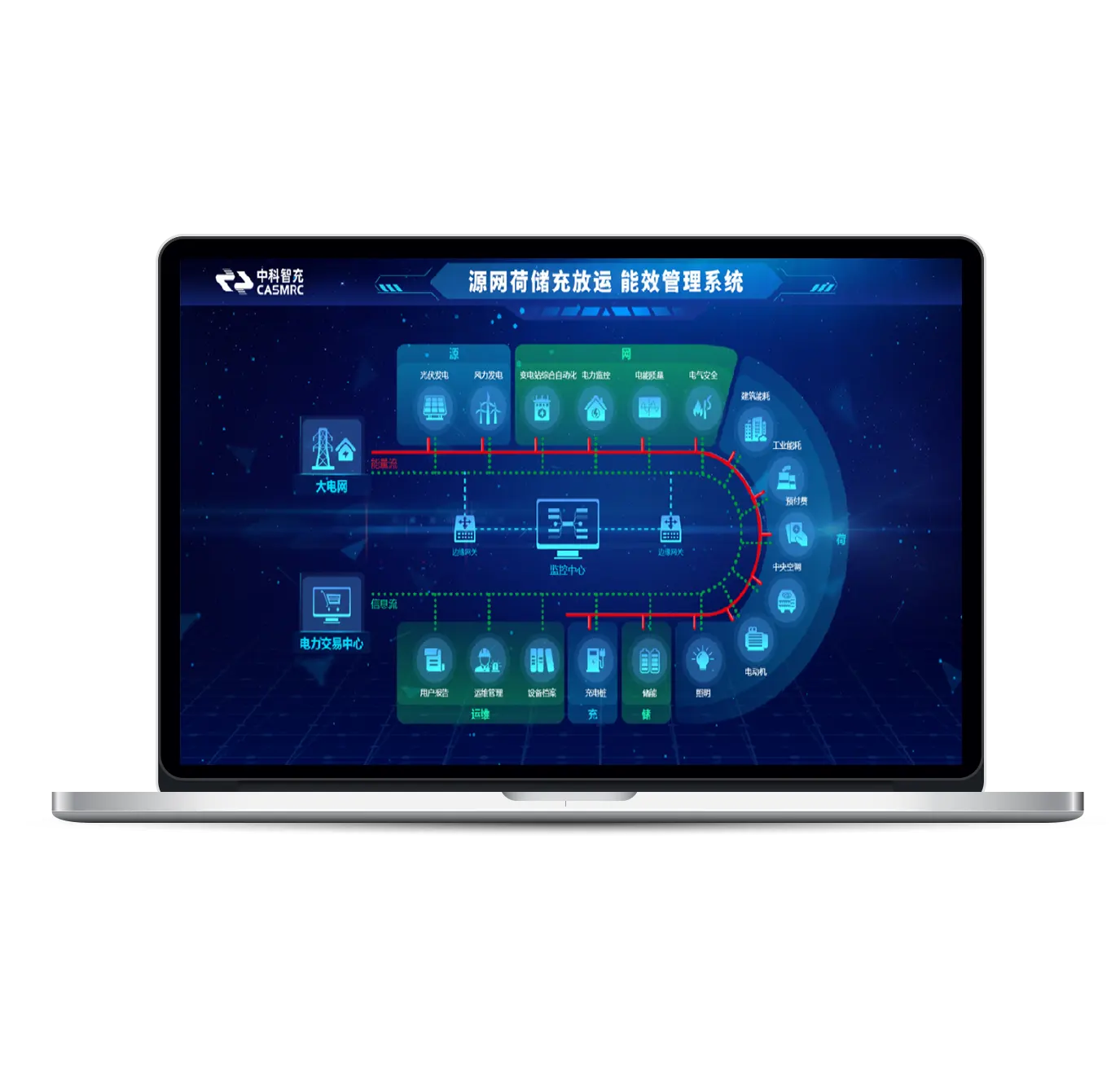
Source-Grid-Load-Storage-Charging-Discharging-Transport Energy Efficiency Management System
The Source-Grid-Load-Storage-Charging-Discharging-Transport Energy Efficiency Management System is an energy efficiency management solution. Its core approach is to optimize and integrate local power supply side, grid side, and load side resources. It explores and constructs a new power system development path that deeply integrates source, grid, load, and storage, jointly forming a microgrid that achieves the transformation from passive energy saving to active energy production, effectively reducing costs and suitable for locations requiring uninterrupted power supply.
 Resource optimization and integration — the system intelligently dispatches local equipment, energy storage systems, and loads to ensure optimal resource allocation
- Microgrid construction — by integrating distributed power sources, energy storage equipment, and loads, forming a microgrid structure to enhance system flexibility and self-sufficiency
- Active energy efficiency management — shifting from passive energy-saving measures to active energy production and consumption management
- Intelligent scheduling and forecasting — utilizing advanced data analysis and intelligent algorithms to conduct smart forecasting of power demand and production capacity, optimizing scheduling strategies
Contact Us

Project Director (Deng Kesi)

WeChat Official
 Cooperation Hotline: 400-8355-708
Customer Service Hotline:400-8875-279
Project Director (Deng Kesi):18919683230
 Address: Building 3, 13F, Zhongke Hefei Technology Innovation Engineering Institute
Copyright (c) 2019-2024 Anhui Zhongke Zhichong New Energy Technology Co., Ltd. All rights reserved.
Powered by Zhongke Zhichong 皖公网安备34019202003333号Wan ICP 19007473-1Privacy PolicyUser Agreement